Table of Contents
- Introduction: The Rise of Messaging Apps in Business
- Understanding WhatsApp Business: Your Direct Line to Customers
- Unlocking Potential with WhatsApp Business API
- Essential WhatsApp Automation Tools for Business Growth
- Crafting Winning WhatsApp Messaging Techniques
- Telegram for Business: A Dive into Channels and Bots
- Telegram's Unique Strengths for Business Marketing
- A Direct Comparison: WhatsApp vs Telegram for Business Marketing
- Making the Choice: Which Platform Suits Your Business Best?
- Best Practices for Stellar Customer Communication
- The Future Landscape of Messaging App Marketing
- Frequently Asked Questions (FAQ)
- Key Takeaways
1. Introduction: The Rise of Messaging Apps in Business
In today's fast-paced digital world, businesses are constantly seeking innovative ways to connect with their customers. The traditional email and phone call, while still relevant, are increasingly being supplemented by the instant, personal touch of messaging apps. These platforms have evolved from simple communication tools into powerful channels for marketing, customer support, and sales. They offer a direct, immediate, and often preferred method of interaction for consumers, making them indispensable for modern enterprises.
The shift towards messaging apps isn't just about convenience; it's about meeting customers where they already are. Billions of people globally use apps like WhatsApp and Telegram daily, making them fertile ground for businesses looking to engage with their audience effectively. This omnipresence allows companies to create more personalized and timely interactions, fostering stronger customer relationships and driving loyalty. It's a fundamental change in how businesses communicate, moving from broadcasting messages to engaging in two-way conversations.
For businesses, this means rethinking their communication strategies. Instead of simply pushing promotional content, they can use messaging apps to provide real-time support, deliver important updates, gather feedback, and even facilitate transactions. The informal yet efficient nature of these platforms makes them ideal for building trust and rapport, which are crucial components of long-term business success. The ability to send rich media, quick replies, and automated messages further enhances their utility.
This article delves into two of the most prominent messaging apps, WhatsApp and Telegram, exploring their potential for business marketing. We will particularly focus on WhatsApp, examining its robust automation tools and effective messaging techniques that can revolutionize customer communication and significantly boost business efficiency online. By understanding the nuances of each platform, businesses can strategically leverage them to achieve their marketing and customer service goals.

2. Understanding WhatsApp Business: Your Direct Line to Customers
WhatsApp Business is a specialized version of the popular messaging app, designed with small and medium-sized businesses in mind. It offers a suite of tools that help companies manage customer interactions more efficiently, present a professional front, and streamline their communication processes. Unlike the regular WhatsApp, the Business app allows for a distinct business profile, providing essential information to customers at a glance.
A key feature of WhatsApp Business is the ability to create a detailed business profile. This profile can include your business name, address, website, email, and a brief description of your services or products. This helps establish credibility and provides customers with immediate access to important information without having to ask. It’s essentially a digital storefront within the app, making it easier for potential clients to learn about your offerings.
Beyond the profile, WhatsApp Business equips users with various messaging tools designed to save time and enhance customer service. These include automated greeting messages for new customers, away messages for when you're unavailable, and quick replies for frequently asked questions. These tools ensure that customers receive prompt responses, even outside of business hours, significantly improving the overall customer experience and reducing response times.
The app also allows for the categorization of chats with labels, making it easier to organize customer conversations by status, such as "New Customer," "Pending Payment," or "Order Complete." This organizational capability is invaluable for managing a growing customer base and ensuring no query or follow-up falls through the cracks. It transforms WhatsApp from a simple chat app into a powerful CRM-lite tool for small businesses.
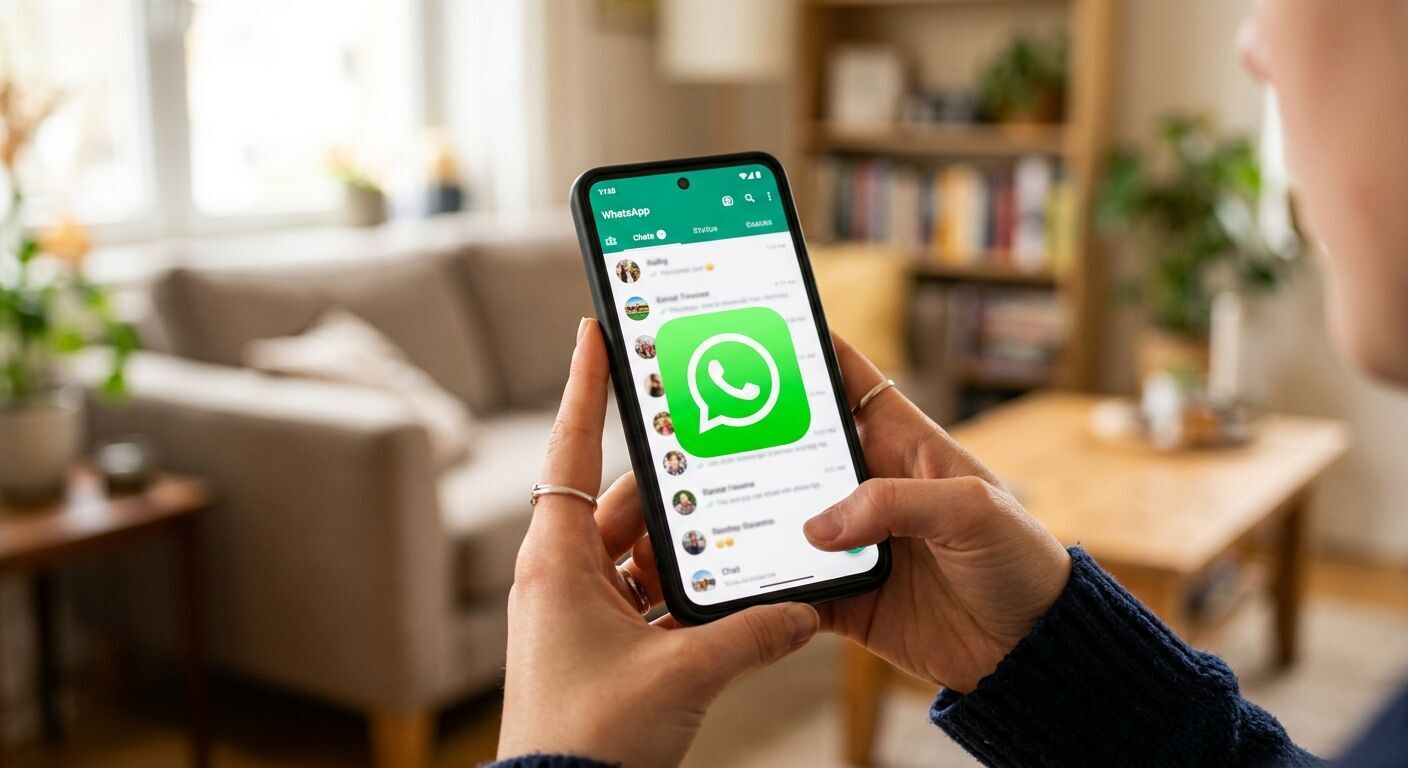
While WhatsApp Business App is excellent for small businesses, larger enterprises and those with high message volumes require a more robust solution: the WhatsApp Business API. This API (Application Programming Interface) allows businesses to connect WhatsApp directly to their existing CRM systems, marketing platforms, and other business applications. It's designed for scale, enabling automated, programmatic communication with thousands or even millions of customers.
The WhatsApp Business API is a powerful tool for enhancing customer engagement and operational efficiency. It facilitates the sending of notifications, alerts, and customer support messages at scale, all while adhering to WhatsApp's strict guidelines. Unlike the app, the API doesn't have a user interface; instead, it's integrated into a company's backend systems, allowing for seamless communication workflows that are deeply embedded in their existing operations.
One of the primary benefits of the API is its ability to support advanced automation. Businesses can set up chatbots to handle common inquiries, qualify leads, and even process simple transactions without human intervention. This not only frees up human agents to tackle more complex issues but also ensures customers receive immediate assistance around the clock, significantly improving satisfaction levels.
Furthermore, the API allows for the sending of highly personalized messages based on customer data stored in CRM systems. This means businesses can send targeted promotions, order confirmations, shipping updates, and personalized recommendations, making customer communication far more relevant and effective. This level of personalization is crucial for building strong customer relationships and driving repeat business in a competitive market.
To truly maximize the potential of WhatsApp for business marketing, automation is key. Various tools and integrations are available that transform WhatsApp into a highly efficient customer engagement platform. These tools range from simple quick replies to sophisticated chatbot solutions, each playing a vital role in streamlining communication and improving customer service.
- Chatbots: These AI-powered conversational agents can handle a wide array of customer interactions, from answering frequently asked questions and providing product information to guiding users through purchase processes. By automating routine tasks, businesses can significantly reduce operational costs and ensure 24/7 customer support.
- CRM Integration: Connecting WhatsApp to a Customer Relationship Management system allows businesses to centralize customer data, track interactions, and personalize communication based on past behavior and preferences. This ensures every customer touchpoint is informed, consistent, and part of a larger customer journey strategy.
- Broadcast Messaging: For sending bulk updates or promotions to segmented customer lists (used carefully to avoid spamming).
- Automated Keyword Responses: Setting up automated responses for specific keywords can quickly direct customers to the information they need, further enhancing efficiency.
Implementing these automation tools allows businesses to maintain a high level of customer engagement without overstretching their human resources. It means faster response times, consistent messaging, and the ability to scale communication efforts as the business grows. The right combination of automation tools can turn WhatsApp into a powerful engine for customer acquisition, retention, and loyalty.

5. Crafting Winning WhatsApp Messaging Techniques
Effective messaging on WhatsApp goes beyond just sending information; it involves crafting messages that resonate with your audience, drive engagement, and build lasting relationships. The informal nature of WhatsApp calls for a conversational, yet professional, tone that feels authentic and helpful. Simply porting over traditional marketing messages will likely fall flat.
One of the most effective techniques is personalization. Addressing customers by name and referencing their past interactions or preferences makes them feel valued and understood. Dynamic content, tailored to specific customer segments, can significantly increase open and response rates. This moves away from generic broadcasts towards a more one-to-one communication style, which is highly appreciated by users.
Another key technique is to keep messages concise and to the point. WhatsApp users are accustomed to quick exchanges, so long, rambling messages are likely to be ignored. Use bullet points, emojis, and clear calls to action to make your messages easy to digest and act upon. Visuals like images and short videos can also be incredibly effective in conveying information quickly and engagingly, often outperforming text-only messages.
It’s also crucial to respect customer privacy and preferences. Always obtain explicit consent before sending marketing messages, and provide clear options for opting out. Over-messaging can quickly lead to blockages and negative perceptions of your brand. Timing is also important; sending messages at opportune moments, when customers are most likely to be receptive, can greatly enhance their impact.
Finally, always provide value. Whether it's a helpful tip, an exclusive offer, or timely customer support, every message should offer something meaningful to the recipient. By consistently delivering value, businesses can transform WhatsApp from a marketing channel into a trusted source of information and assistance, strengthening customer loyalty and driving long-term success.
While WhatsApp dominates many markets, Telegram presents a compelling alternative for business marketing, particularly due to its emphasis on privacy, speed, and advanced features for broadcasting and group communication. Telegram’s robust infrastructure allows for the creation of large-scale communities and highly interactive content, making it a powerful tool for certain types of businesses.
One of Telegram’s standout features for businesses is its "Channels." These are one-way broadcasting tools where administrators can send messages, photos, videos, and files to an unlimited number of subscribers. Unlike WhatsApp groups, channel subscribers cannot see who else is in the channel, ensuring privacy. This makes channels ideal for disseminating news, updates, promotions, and content to a broad audience without overwhelming individual users with chat notifications.
Telegram also excels with its bot platform. Telegram bots are versatile automated accounts that can perform a wide range of tasks, from sending personalized notifications and integrating with external services to accepting payments and even acting as fully-fledged customer support agents. Developers can create sophisticated bots that interact with users, respond to commands, and provide rich, interactive experiences, all within the Telegram app.
Groups are another vital component of Telegram for business. While similar to WhatsApp groups, Telegram groups can host up to 200,000 members and offer advanced moderation tools, making them suitable for large communities, customer support forums, and internal team communication. Businesses can use groups to foster discussion, gather feedback, and build a sense of community around their brand, leveraging the collective intelligence of their customer base.
The combination of channels for broadcasting, powerful bots for automation, and large groups for community building provides businesses with a comprehensive toolkit for engaging with their audience on Telegram. Its open API and emphasis on customization give businesses significant flexibility in how they integrate Telegram into their overall marketing and communication strategies.
Telegram boasts several unique strengths that make it an attractive platform for business marketing, particularly for those looking to reach a tech-savvy audience or build large, engaged communities. These strengths often differentiate it from other messaging apps and provide distinct advantages for specific marketing objectives.
One significant advantage is its emphasis on privacy and security. Telegram offers end-to-end encryption for secret chats and robust privacy settings for all communications, which resonates strongly with users concerned about data protection. For businesses, this can translate into higher trust and a more engaged audience, especially when dealing with sensitive information or building communities around privacy-conscious topics.
Another key strength is the sheer scale and flexibility of its features. Telegram channels can accommodate an unlimited number of subscribers, making them perfect for mass communication and reaching a very large audience with updates, news, or promotional content. This is a significant advantage over WhatsApp's broadcast lists, which have much smaller limits.
Telegram's bot platform is incredibly powerful and open, allowing for highly customized and complex automation. Businesses can develop sophisticated bots that integrate deeply with their services, providing personalized experiences, interactive games, or even full e-commerce functionalities directly within the chat interface. This level of programmability offers immense creative freedom for marketing campaigns and customer service solutions.
Furthermore, Telegram supports larger file sizes (up to 2 GB per file) and offers cloud storage for all chats, making it easier for businesses to share rich media content, documents, and videos with their audience without worrying about storage limits. This is particularly useful for businesses that regularly share high-quality visual content or detailed reports.
8. A Direct Comparison: WhatsApp vs Telegram for Business Marketing
When comparing WhatsApp and Telegram for business marketing, it's essential to consider their distinct strengths, weaknesses, and primary user bases. While both are powerful messaging platforms, they cater to slightly different needs and excel in different areas, making the choice dependent on a business's specific goals and target audience.
WhatsApp, with its massive global user base (over 2 billion users) and deep penetration in many markets, offers unparalleled reach. Its Business App and API are tailored for direct customer support, transactional messaging, and building one-on-one relationships. The ease of use and widespread familiarity make it an excellent choice for businesses aiming for broad accessibility and personal customer interactions.
Telegram, while having a smaller user base (around 900 million users), boasts a highly engaged and often more tech-savvy audience. Its strengths lie in broadcasting to large audiences through channels, advanced automation with powerful bots, and fostering large community groups. Telegram is often preferred by businesses focused on content distribution, community building, and highly customized interactive experiences.
Regarding automation, both platforms offer robust capabilities. WhatsApp, especially with its API, integrates well with CRM systems for personalized messaging and chatbot support. Telegram's open bot platform provides immense flexibility for developers to build highly complex and interactive bots for various marketing and customer service functions.
Privacy and security are also differentiating factors. While both offer encryption, Telegram's public stance on data privacy and its "secret chats" often appeal more to users and businesses prioritizing these aspects. WhatsApp's integration with Facebook's ecosystem raises concerns for some users, despite its strong encryption. Ultimately, the choice often boils down to your target audience's preferences and the specific nature of your marketing and communication needs.
Deciding between WhatsApp and Telegram for your business marketing strategy isn't a one-size-fits-all answer. The optimal choice largely depends on your specific business objectives, target audience demographics, the nature of your products or services, and the resources you have available for platform management.
If your primary goal is to provide personalized customer support, send transactional updates (like order confirmations and shipping notifications), and engage in one-on-one conversations with a broad, diverse customer base, then WhatsApp is likely your strongest contender. Its widespread adoption ensures that a significant portion of your existing and potential customers will already be on the platform, making direct communication seamless and accessible. The WhatsApp Business App is user-friendly for small businesses, and the API scales perfectly for larger operations requiring CRM integration and advanced automation.
Conversely, if your business thrives on broadcasting content to a very large audience, building highly engaged communities around niche topics, or offering complex interactive experiences through custom bots, Telegram might be the better fit. Its channels are superior for mass communication, and its powerful bot platform allows for innovative and highly customized marketing campaigns. If your target audience is particularly tech-savvy or values privacy above all else, Telegram's features will resonate more strongly.
It's also worth considering a hybrid approach. Many businesses find success by leveraging both platforms for different purposes. For example, using WhatsApp for direct customer support and personalized sales conversations, while simultaneously employing Telegram channels for broad content distribution, industry news, and community building. This multi-channel strategy ensures you cover all your bases and reach different segments of your audience effectively.
Ultimately, before making a decision, analyze your customer data: where do your customers spend their time online? What are their communication preferences? Conduct small pilot campaigns on both platforms if possible to gauge engagement and effectiveness. The platform that aligns best with your customer's habits and your business's communication style will yield the greatest returns.
10. Best Practices for Stellar Customer Communication
Regardless of whether you choose WhatsApp, Telegram, or both, adhering to best practices for customer communication on messaging apps is paramount for success. The unique nature of these platforms demands a thoughtful approach to ensure your messages are effective, engaging, and do not alienate your audience.
- Prioritize Consent: Always obtain explicit opt-in from customers before initiating communication, and make it easy for them to opt-out at any time. This builds trust and ensures your messages are only reaching interested individuals.
- Maintain a Consistent and Authentic Brand Voice: While messaging apps encourage an informal tone, it should still be professional and reflective of your brand's personality. Be approachable and friendly, yet authoritative and helpful.
- Be Responsive and Provide Value: Aim for quick response times, especially for support inquiries. Every message you send should offer clear value, whether it's a helpful tip, an exclusive offer, important updates, or genuine assistance.
- Leverage Rich Media Capabilities: Don't limit yourself to text. Use images, videos, audio messages, and GIFs to make your communications more engaging and visually appealing. A short video explaining a product feature or an image showcasing a new collection can be far more impactful than lengthy text.
- Keep Messages Concise: Users expect quick exchanges.
- Respect Privacy: Always provide an option for direct human interaction when automation isn't sufficient.
11. The Future Landscape of Messaging App Marketing
The landscape of messaging app marketing is constantly evolving, driven by technological advancements and changing consumer behaviors. Looking ahead, several key trends are set to shape how businesses utilize platforms like WhatsApp and Telegram for their marketing and customer communication strategies.
One major trend is the increasing sophistication of AI-powered chatbots. As AI technology advances, chatbots will become even more capable of understanding complex queries, handling nuanced conversations, and providing highly personalized responses. This will lead to more seamless and human-like interactions, allowing businesses to automate a greater proportion of their customer service and sales processes without sacrificing quality.
Another important development will be the deeper integration of messaging apps with e-commerce and payment functionalities. "Conversational commerce," where customers can discover, browse, purchase, and receive support for products entirely within a messaging app, is set to become more prevalent. This will streamline the customer journey, reducing friction and making it easier for consumers to complete transactions directly within their preferred communication channels.
The role of rich media and immersive experiences will also continue to grow. Expect to see more businesses leveraging augmented reality (AR) filters, interactive quizzes, and short-form video content within messaging apps to create more engaging and memorable marketing campaigns. Personalization will extend beyond text, with dynamic visuals and tailored interactive experiences becoming standard.
Finally, data privacy and ethical AI will remain critical considerations. As businesses collect more data through messaging app interactions, ensuring transparency, obtaining explicit consent, and safeguarding customer information will be paramount. Regulatory frameworks will likely evolve, and businesses that prioritize ethical data practices will build stronger trust and loyalty with their customer base, shaping the future of conversational marketing.
12. Frequently Asked Questions (FAQ)
Q1: What's the main difference between WhatsApp Business App and WhatsApp Business API?
A1: The WhatsApp Business App is designed for small businesses to manage customer interactions directly from their phone, offering a business profile, quick replies, and labels. The WhatsApp Business API is for larger businesses to integrate WhatsApp into their existing systems (CRM, marketing platforms) for scaled, automated communication, often through chatbots, and requiring a third-party solution provider.
Q2: Can I send promotional messages to all my contacts on WhatsApp?
A2: While you can use broadcast lists on the WhatsApp Business App, they are limited to contacts who have your number saved. For broader promotional messaging using the API, you must adhere to WhatsApp's policies, which primarily focus on opt-in messaging and transactional notifications, rather than unsolicited bulk promotions. Always obtain explicit consent.
Q3: Is Telegram more secure than WhatsApp for business communication?
A3: Telegram emphasizes privacy and offers features like "Secret Chats" with end-to-end encryption. While WhatsApp also uses end-to-end encryption for all messages, Telegram's public stance and additional privacy features often appeal to users who prioritize security. However, for general business communication, both platforms offer robust security measures.
Q4: Can I use a chatbot on both WhatsApp and Telegram?
A4: Yes, both platforms support chatbots. WhatsApp Business API allows for the integration of chatbots for automated customer service and messaging. Telegram has a highly developed bot platform that allows for the creation of very sophisticated and interactive bots directly within the app, offering significant flexibility for developers.
Q5: Which platform is better for building a large online community?
A5: Telegram is generally better for building large online communities due to its support for groups with up to 200,000 members and channels with unlimited subscribers. WhatsApp groups have smaller member limits, making Telegram more suitable for large-scale community building and content broadcasting.
13. Key Takeaways
- Messaging apps like WhatsApp and Telegram are crucial for modern business marketing, offering direct, personalized, and instant communication with customers.
- WhatsApp Business App is ideal for small businesses seeking professional communication tools, quick replies, and basic automation for one-on-one customer interactions.
- The WhatsApp Business API is essential for larger enterprises needing to scale their messaging, integrate with CRM systems, and deploy advanced chatbots for automated customer support and transactional messages.
- Key WhatsApp automation tools include chatbots for 24/7 support, CRM integration for personalized messaging, and quick replies for efficient customer service.
- Effective WhatsApp messaging involves personalization, conciseness, visual content, clear calls to action, and strict adherence to opt-in policies and value delivery.
- Telegram excels in broadcasting to large audiences through unlimited channels, offering powerful and customizable bots for interactive experiences, and fostering large community groups.
- Telegram's strengths lie in its emphasis on privacy, speed, large file sharing capabilities, and a highly engaged, often tech-savvy user base.
- The choice between WhatsApp and Telegram depends on specific business goals: WhatsApp for broad reach and personalized customer service, Telegram for mass communication, community building, and advanced bot interactions.
- Best practices for both platforms include obtaining explicit consent, maintaining an authentic brand voice, being highly responsive, providing consistent value, and utilizing rich media.
- The future of messaging app marketing will see more sophisticated AI chatbots, deeper e-commerce integrations, immersive rich media experiences, and continued focus on data privacy and ethical AI.



 Alex Martun