Hello there, fellow creators! Ever wonder what makes certain YouTube videos pop while others get lost in the digital ocean? Often, the secret sauce lies not just in the fantastic content you create, but in the irresistible magnetic pull of a well-crafted title. Your video's title is often the very first interaction a potential viewer has with your content, and it’s your golden opportunity to make a lasting first impression. It's the headline that draws them in, sparks their curiosity, and ultimately encourages that crucial click.
Think of your YouTube title as a mini-advertisement for your video. In a crowded feed of recommendations and search results, your title needs to stand out, communicate value, and create an emotional connection, all in a handful of words. It’s a delicate balance of clarity, intrigue, and strategic keyword placement. Mastering this art can significantly boost your video's visibility, increase your click-through rate, and accelerate your channel's growth.
But how do you consistently craft these click-worthy titles? It's not about resorting to misleading tactics or "clickbait" that disappoints viewers. Instead, it’s about understanding human psychology, leveraging data, and presenting your content in the most appealing light possible. This guide will walk you through powerful strategies and actionable tips to transform your YouTube titles from overlooked text into undeniable invitations to watch.
Whether you're aiming for viral success or steady, consistent growth in a competitive niche, optimizing your titles is a non-negotiable step. It tells YouTube's algorithm what your video is about, and more importantly, it tells your audience why they absolutely need to watch it right now. Let's dive in and unlock the secrets to crafting titles that not only get clicks but also keep viewers engaged.
Table of Contents
The Power of a Great Title
Understanding Your Audience: Who Are You Talking To?
The Hook: Grabbing Attention Instantly
Keywords: Making Your Videos Discoverable
Emotional Triggers: Sparking Curiosity and Engagement
The Art of the Clickbait (the Good Kind)
Conciseness and Clarity: Less is Often More
Numbers and Lists: Irresistible Formats
Testing and Analytics: Learning from Your Data
Staying Authentic: Your Brand Voice
Common Mistakes to Avoid
Frequently Asked Questions (FAQ)
Key Takeaways
1. The Power of a Great Title
Your video's title is much more than just a label; it's the primary gateway to your content, shaping first impressions and significantly influencing whether a viewer decides to click or scroll past. In a highly competitive landscape like YouTube, where countless videos are uploaded every minute, a compelling title is essential for standing out. It directly impacts your click-through rate (CTR), which is a critical metric YouTube uses to understand how appealing your content is to viewers.
A strong title works in tandem with your thumbnail to create a powerful first impression. YouTube notes that viewers typically see your thumbnail and title first, and this initial glimpse helps them decide if they want to watch. This means that even the most incredible video content can go unnoticed if its title fails to capture attention. Conversely, a mediocre video with a captivating title might perform better initially due to higher clicks, though retention will then suffer.
Beyond simply attracting clicks, your title plays a crucial role in YouTube's algorithm. It helps YouTube understand what your video is about, signaling when and where to surface it in search results, on the homepage, and in suggested video feeds. Therefore, an optimized title isn't just about human appeal; it's also about algorithm appeal, ensuring your content reaches the right audience.
The shift in YouTube's discovery mechanism from primarily search-based to a recommendation engine makes titles even more vital. Your title needs to compete in a crowded, attention-first environment, often alongside many other compelling options. It’s not enough to just rank for a keyword anymore; you need to make viewers stop scrolling and engage with your content.
Ultimately, the power of a great title lies in its ability to simultaneously attract viewers, inform the algorithm, and set clear, honest expectations for the content within. It's a strategic element of your video packaging that, when done right, can lead to increased views, higher engagement, and accelerated channel growth. Without a compelling title, even the most valuable content risks remaining undiscovered.
2. Understanding Your Audience: Who Are You Talking To?
Before you even begin brainstorming title ideas, it's absolutely crucial to have a deep understanding of your target audience. Who are the people you're trying to reach with your videos? What are their interests, their pain points, their questions, and their aspirations? Tailoring your titles to resonate specifically with this group is far more effective than trying to appeal to everyone.
Consider the demographics and psychographics of your ideal viewer. Are they beginners looking for "how-to" guides, or experienced individuals seeking advanced tips and tricks? Do they respond better to practical, instructional language or to emotional, curiosity-driven phrases? Understanding these nuances will directly influence the words and tone you choose for your titles.
Engaging with your existing community and paying attention to their comments, questions, and feedback can provide invaluable insights. What problems do they frequently mention? What topics do they express a desire to learn more about? This direct input is a goldmine for crafting titles that directly address their needs and interests, making your content feel specifically created for them.
Furthermore, analyzing your YouTube analytics can reveal a lot about your current audience. Look at watch time, audience retention, and traffic sources for your past videos. Which titles led to higher click-through rates and longer watch times? This data can offer concrete clues about what kind of titles your audience responds to most positively, allowing you to refine your approach.
By truly knowing your audience, you can craft titles that speak their language, promise the specific benefits they seek, and trigger the emotions that motivate them to click. This targeted approach ensures that your videos are not just seen, but seen by the right people who are most likely to become loyal subscribers and engaged viewers.
3. The Hook: Grabbing Attention Instantly
In the fast-paced world of YouTube, you have mere seconds to capture a viewer's attention. The hook in your title is that immediate draw, the element that makes someone stop scrolling and consider clicking. It's about creating an undeniable intrigue or promising a clear, compelling benefit right from the start. This initial grab is paramount because if your title doesn't pique interest quickly, your video will simply be overlooked.
A strong hook often involves presenting a clear value proposition or a hint of a solution to a problem your audience faces. For instance, a title like "How to Double Your YouTube Subscribers in 30 Days" immediately communicates a desirable outcome and a timeframe, making it highly appealing to creators seeking growth. The more direct and impactful your hook, the more effective it will be.
Curiosity is one of the most powerful psychological triggers you can employ in your titles. By creating a "curiosity gap"—leaving out a crucial piece of information that the viewer needs to know—you compel them to click to satisfy that unresolved question. Titles that hint at a secret, a breakthrough, or an unexpected revelation are often highly successful in this regard. However, it's vital that the content delivers on this promise to maintain viewer trust.
Another effective hooking technique is to use strong emotional language or "power words" that elicit a specific feeling. Words like "secret," "ultimate," "proven," "easy," "mistakes," or "unbelievable" can add emotional punch and clarity, making your title more compelling. These words don't just describe; they evoke a reaction, making the viewer feel a need to click and learn more.
Remember, the goal of the hook is to disrupt the scroll and make your video impossible to ignore. It’s about being bold, clear, and benefit-oriented. Experiment with different types of hooks, from questions to bold claims, always keeping your audience's immediate interests and pain points in mind. The better you are at instantly engaging their attention, the higher your chances of earning that valuable click.
4. Keywords: Making Your Videos Discoverable
Keywords are the backbone of search engine optimization (SEO), and YouTube is no exception. Incorporating relevant keywords into your titles is fundamental for making your videos discoverable to viewers who are actively searching for content like yours. When you use the right keywords, you help YouTube's algorithm categorize your video accurately and surface it to interested users.
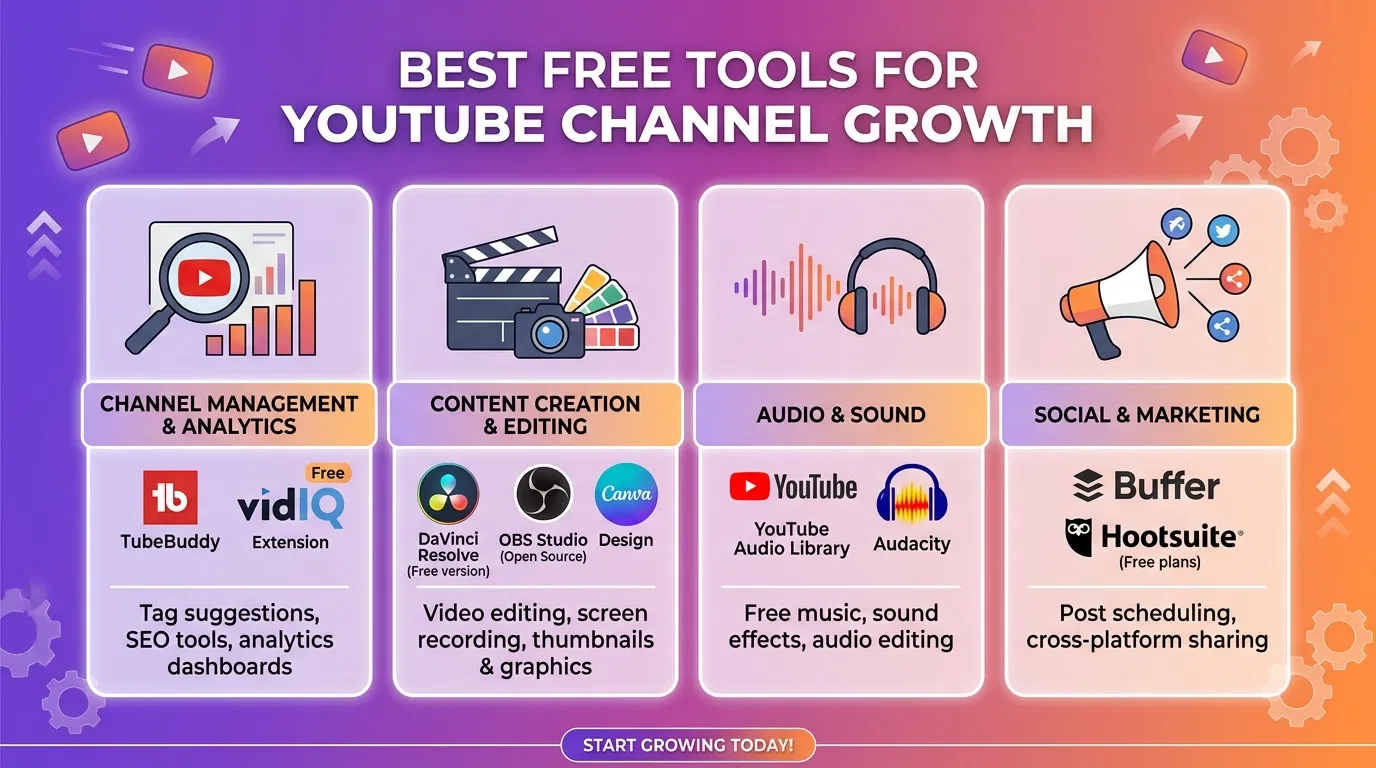
Effective keyword research is the starting point. Tools like vidIQ and TubeBuddy can help you identify terms and phrases that your target audience is searching for. It's important to find keywords that match your video's exact topic, rather than just broad categories. For example, instead of a generic "Cooking Video," a title like "Easy Weeknight Chicken Stir-Fry Recipe" is much more specific and searchable.
When integrating keywords, aim to front-load your primary keyword, meaning place it closer to the beginning of your title. This gives it more weight with the algorithm and ensures it's visible even if the title gets truncated on some devices. However, always prioritize natural phrasing over keyword stuffing; your title should read smoothly and make sense to a human viewer first and foremost.
Consider both broad and long-tail keywords. Broad keywords might attract a larger audience but also come with higher competition. Long-tail keywords, which are more specific phrases (e.g., "beginner's guide to watercolor painting for adults"), might have less search volume but attract highly engaged viewers who know exactly what they're looking for.
Ultimately, while creative titles are great, search optimization remains crucial for discoverability. A title that includes relevant search terms without forced or awkward phrasing will perform better. By strategically using keywords, you're not just getting clicks; you're getting clicks from the right viewers who are genuinely interested in what your video offers.
Beyond keywords and clear descriptions, infusing your YouTube titles with emotional triggers can dramatically increase their appeal and encourage clicks. Emotions are powerful drivers of human behavior, and by tapping into them, you can spark curiosity, create a sense of urgency, or promise a relatable outcome that resonates deeply with potential viewers.
Curiosity, as mentioned earlier, is perhaps the most potent emotional trigger. People are inherently driven to fill knowledge gaps, and titles that hint at secrets, untold stories, or surprising revelations are incredibly effective. For example, "The ONE Mistake That's Killing Your YouTube Growth" creates immediate curiosity and a desire to avoid a potential pitfall.
Fear and desire are two other powerful emotions to leverage. Titles that address a fear (e.g., "Don't Make These Common Mistakes!") or highlight a desired outcome (e.g., "Achieve Your Dream Body in 90 Days!") can be highly compelling. Viewers are often looking for solutions to problems or ways to improve their lives, and titles that speak directly to these needs will stand out.
Adding a sense of timeliness or urgency can also motivate clicks. Including the current year ("Best Tech Gadgets of 2026") or a specific timeframe ("Learn Spanish in 7 Days") makes the content feel relevant and pressing. This can be particularly effective for content that addresses current trends or rapidly evolving topics.
When using emotional triggers, authenticity is key. The emotions you evoke in your title must be genuinely delivered within the video. Misleading titles that rely on exaggerated emotional appeals without fulfilling their promise can lead to viewer disappointment, high bounce rates, and damage to your channel's reputation. The goal is to intrigue and engage, not to deceive.
6. The Art of the Clickbait (the Good Kind)
The term "clickbait" often carries a negative connotation, associated with misleading titles that fail to deliver on their sensational promises. However, there's an "art of good clickbait" that, when executed ethically, can significantly boost your click-through rate by piquing genuine curiosity and hinting at exciting content without being deceptive. It's about creating intrigue and a strong hook that accurately represents your video.
The key differentiator between good and bad clickbait is alignment. A good clickbait title creates a curiosity gap that is satisfyingly closed by the video's content. It teases a benefit, sparks curiosity, or makes a bold claim, but the video genuinely delivers on that tease or claim. This builds trust with your audience over time, encouraging repeat viewership.
Effective "good clickbait" often employs techniques like strong, impactful words, questions, or a sense of mystery. For example, a title like "I Can't Believe This Happened! (My Craziest Travel Story)" creates intrigue, but if the video then delivers an entertaining and wild travel anecdote, it's successful. It’s about storytelling in miniature, setting the stage for what’s to come.
Another aspect of this art is to focus on what the viewer will gain or experience by watching. Instead of a dry, descriptive title, frame it around the viewer's potential transformation or discovery. "This One Secret Changed My Entire Business" is more compelling than "Business Strategy Tutorial" because it hints at a powerful, personal benefit.
Remember, the ultimate goal is to generate clicks from the right audience and then keep them watching. If your "clickbait" drives clicks but viewers immediately leave because the content doesn't match the title, it will harm your channel's performance. Always ensure that your intriguing title is a genuine invitation to equally intriguing and relevant content.
7. Conciseness and Clarity: Less is Often More
While it's tempting to cram as much information as possible into your YouTube titles, conciseness and clarity are paramount for optimal performance. Viewers scroll quickly through their feeds, and your title needs to communicate its core message instantly. Moreover, YouTube often truncates titles on various devices and surfaces, so the most important information needs to be front-loaded and easily digestible.
Aim for titles that are specific and to the point. Generic titles like "Vlog #12" or "Tips and Tricks" offer no specific value or curiosity to the viewer. They don't communicate what the video is about or why someone should watch it over countless other options. Always strive for specificity and a clear value proposition.
Most sources recommend keeping your title around 55-60 characters, with a maximum of 70, to ensure it remains fully visible across most viewing contexts. If your title is longer, the crucial beginning part should still convey the main idea. This means cutting out filler words like "really," "very," "just," or "basically" that don't add significant value.
Focus on one clear angle or promise per title. Trying to stack multiple topics or ideas into a single title can reduce clarity and overwhelm the viewer. A single, compelling promise is much more effective than several vague ones. This also helps YouTube's algorithm understand the primary focus of your content.
In essence, less is often more when it comes to YouTube titles. By being succinct and clear, you make it easier for viewers to grasp your video's value proposition at a glance, increasing the likelihood of a click. Prioritize the core message and present it in a digestible, impactful way.
8. Numbers and Lists: Irresistible Formats
Numbers and listicles have a universally strong appeal in YouTube titles because they promise structure, clear takeaways, and a definite amount of information. When viewers see a number in a title, they instinctively understand what to expect: a manageable, organized piece of content. This clarity can significantly boost click-through rates.
Titles like "5 Ways to Boost Your Productivity" or "10 Essential Tools for Content Creators" work so well because they set an immediate expectation. Viewers know they'll get specific tips or items, making the video feel valuable and actionable. The number acts as a clear indicator of the content's format, which can be very reassuring in a sea of unknown videos.
Beyond simple listicles, numbers can also be used to signify specific achievements, timelines, or results. For example, "I Gained 10,000 Subscribers in 30 Days" immediately grabs attention by highlighting a significant accomplishment and a rapid timeframe. This type of title creates both curiosity and a sense of aspirational possibility for the viewer.
Using numbers effectively also means ensuring that the number in your title accurately reflects the content. If your title promises "7 Tips" and your video only delivers 5, viewers will feel misled, which can negatively impact watch time and trust. Authenticity and alignment between your title's promise and your video's delivery are always crucial.
Additionally, combining numbers with other compelling elements, such as emotional triggers or clear benefits, can create even more powerful titles. "7 Secret Hacks to Edit Faster (You Won't Believe #3!)" leverages a number, a sense of secrecy, and curiosity, creating a highly clickable combination. Experiment with different numerical formats to see what resonates best with your specific audience.
9. Testing and Analytics: Learning from Your Data
The most successful YouTube creators don't just guess which titles will perform best; they test, analyze, and iterate based on real data. Testing different title variations is a powerful strategy to understand what truly resonates with your audience and to continuously optimize your video performance. Without diving into your analytics, you're essentially flying blind.
YouTube Studio offers valuable insights into your video's performance, particularly focusing on click-through rate (CTR) and audience retention. A high CTR indicates that your title and thumbnail are effectively grabbing attention, while strong audience retention suggests that your content is delivering on the promise of your title. Analyzing these metrics helps you identify patterns in what works.
Consider A/B testing your titles, if your channel is eligible, or by manually changing titles after a few days to see if performance improves. When doing this, try to isolate variables: keep your thumbnail the same and only change the title to accurately measure its impact. Let each variation run for a sufficient period (e.g., 48-72 hours) to gather meaningful data.
Pay close attention to which elements consistently lead to higher CTRs for your specific niche and audience. Is it curiosity? Numbers? Benefit-driven language? Over time, you'll start to develop an intuitive understanding of the title styles that perform best for your channel. This data-driven approach removes guesswork and allows for continuous improvement.
Don't be afraid to experiment with updating titles on older videos, especially if they have strong content but a low CTR. A simple title change can sometimes breathe new life into an evergreen video and significantly increase its views over time. Regularly reviewing and optimizing your titles based on analytics is a hallmark of a growing and successful YouTube channel.
While strategies and algorithms are important, never lose sight of your unique brand voice and authenticity when crafting YouTube titles. Your titles should not only attract clicks but also accurately reflect your channel's personality and the type of content you create. Maintaining authenticity builds trust and a loyal community, which is far more valuable than fleeting viral trends.
Your brand voice might be humorous, authoritative, inspirational, educational, or highly personal. Whatever it is, ensure your titles align with this tone. If your channel is known for its lighthearted comedy, an overly serious or academic title might feel out of place and confuse your existing audience. Conversely, a serious documentary channel shouldn't suddenly adopt a sensational tabloid-style title.
Titles that use first-person pronouns like "I" or "my" can build credibility and a sense of personal connection, especially for channels that share personal experiences or insights. For example, "How I Learned to Edit Videos in 24 Hours" feels more authentic and relatable than a generic "How to Edit Videos Fast." This personal touch helps viewers feel they're learning from a real person with genuine experience.
Authenticity also extends to the promise made in your title. Avoid creating a mismatch between your title and your video content. If your title hints at an exclusive secret, the video better deliver something truly insightful. Disappointment leads to lower watch time, higher bounce rates, and a loss of trust, all of which negatively impact your channel long-term.
Ultimately, your titles are an extension of your brand. They should be distinct enough to stand out but familiar enough to resonate with your dedicated viewers. By staying true to your brand voice, you attract an audience that genuinely connects with your content and is more likely to become a long-term subscriber.
11. Common Mistakes to Avoid
Even with the best intentions, it's easy to fall into common traps when writing YouTube titles. Being aware of these pitfalls can help you steer clear and optimize your titles more effectively. Avoiding these mistakes is just as important as implementing best practices for getting those coveted clicks.
One significant mistake is using overly generic or vague titles. Titles like "Vlog #12" or "Tips and Tricks" offer no specific value or curiosity to the viewer. They don't communicate what the video is about or why someone should watch it over countless other options. Always strive for specificity and a clear value proposition.
Another common error is keyword stuffing—cramming too many keywords into your title in an attempt to rank for everything. This makes your title read unnaturally and can actually hurt its appeal to both viewers and the algorithm. Focus on one or two primary keywords and integrate them naturally.
Clickbait that misleads is a definite no-go. While the "good kind" of clickbait sparks curiosity and delivers, the bad kind promises the world and gives nothing. This quickly erodes viewer trust, leading to high bounce rates and potentially harming your channel's discoverability as YouTube identifies that viewers are not satisfied with your content.
Failing to match your title with your thumbnail is also a missed opportunity. Your thumbnail and title work together as a cohesive package. If they tell different stories or create conflicting expectations, viewers will be confused and less likely to click. Ensure both elements reinforce the same promise or intrigue.
Finally, neglecting to review your analytics is a major oversight. Without checking your CTR and audience retention data, you won't know which of your title strategies are working and which need adjustment. Continuous learning from your own data is crucial for long-term success.
12. Frequently Asked Questions (FAQ)
Q: How long should a YouTube title be?
A: While YouTube allows up to 100 characters, it's generally best to keep your titles concise, around 55-60 characters. This ensures that the entire title is visible across most devices and viewing surfaces, preventing truncation that might hide critical information.
Q: Should I use emojis in my YouTube titles?
A: Emojis can be used carefully to emphasize emotion or special elements, but it's best to limit their use. Overuse can make your title look cluttered or unprofessional. Use them sparingly for visual appeal and to convey a specific feeling, but don't let them detract from clarity.
Q: Is it okay to use ALL CAPS in a title?
A: Similar to emojis, use ALL CAPS sparingly for emphasis on specific words or phrases. Overusing ALL CAPS can make your title seem aggressive or "shouty" and might be perceived as clickbait, which can turn viewers off.
Q: How important are keywords in YouTube titles?
A: Keywords are very important for discoverability. They help YouTube's algorithm understand your video's topic and surface it to viewers searching for similar content. Place your primary keyword early in the title for better SEO.
Q: What's the difference between "good" and "bad" clickbait?
A: "Good" clickbait sparks genuine curiosity and delivers on the promise made in the title, leading to viewer satisfaction. "Bad" clickbait uses sensational but misleading titles that disappoint viewers and harm your channel's reputation and performance.
Q: How can I find out what titles work best for my channel?
A: The best way is to consistently review your YouTube Analytics, focusing on click-through rate (CTR) and audience retention. Consider A/B testing different title variations on your videos to see which ones perform better with your specific audience.
Q: Should my title match my thumbnail?
A: Yes, absolutely! Your thumbnail and title should work together to tell a cohesive story and set clear expectations for your video. A strong visual and a compelling title create a powerful first impression that encourages clicks.
Q: Can changing an old video's title help it get more views?
A: Yes, updating titles on older videos, especially if they have good content but a low CTR, can often breathe new life into them. A fresh, optimized title can improve discoverability and attract new viewers.
13. Key Takeaways
Your YouTube title is crucial for first impressions and influences click-through rates (CTR) and algorithm performance.
Understand your target audience to craft titles that resonate with their interests, questions, and pain points.
Create an immediate hook in your title by communicating value, promising a benefit, or sparking curiosity.
Integrate relevant keywords, ideally front-loaded, to improve discoverability in search and suggested videos.
Leverage emotional triggers like curiosity, fear, or desire to make your titles more compelling and clickable.
Practice "good clickbait" by creating intriguing titles that are genuinely fulfilled by your video content, building trust.
Keep titles concise (55-60 characters) and clear to ensure readability and prevent truncation on various devices.
Utilize numbers and lists to offer structure and specific takeaways, which can boost click-through rates.
Regularly test different title variations and analyze your YouTube Analytics (CTR, retention) to learn what works best for your channel.
Stay authentic to your brand voice and ensure your titles accurately reflect your content, fostering trust and a loyal community.
Avoid common mistakes like vague titles, keyword stuffing, misleading clickbait, and misaligned titles/thumbnails.



 Alex Martun