Pinterest is far more than just a platform for beautiful pictures; it's a powerful visual search engine and a planning tool that millions of users turn to daily for inspiration, ideas, and purchasing decisions. For businesses and influencers, understanding how to harness Pinterest's unique ecosystem can unlock significant opportunities for driving engagement, boosting website traffic, and ultimately, increasing sales. By strategically crafting compelling content, you can connect with an audience actively looking for what you offer, transforming casual browsers into loyal customers. This article will guide you through creative strategies and actionable ideas to help your content not only stand out but also truly resonate with the Pinterest community, fostering meaningful interactions and lasting impact in your competitive niche.
1. Understanding Pinterest for Engagement
Pinterest truly stands apart from traditional social media platforms; it functions primarily as a visual search engine where users actively seek inspiration and solutions. Unlike platforms where content appears chronologically and fades quickly, pins on Pinterest have a much longer shelf life, remaining discoverable for months or even years after being published. This fundamental difference means that users on Pinterest arrive with a specific intent, often planning for future purchases, projects, or events. They are in a discovery mindset, looking for ideas to save and act upon.
This intent-driven behavior is a goldmine for businesses and influencers alike. People come to Pinterest ready to explore, learn, and buy, making it an ideal place to showcase your products, services, and expertise. Instead of passively scrolling, users are deeply engaged in a planning process, whether it's for a home renovation, a new recipe, a fashion statement, or an upcoming holiday. Your content, therefore, has the incredible chance to be the exact solution they are actively searching for.
Recognizing Pinterest as a discovery engine is absolutely crucial for shaping your content strategy. It's less about fleeting social interactions and more about providing valuable, evergreen resources that users can return to repeatedly. By focusing on helpful, inspiring, and actionable content, you naturally align with the platform's core purpose and the user's journey.
Therefore, when you approach Pinterest, it's wise to shift your mindset from a "social sharing" perspective to a "resource creation" perspective. Every pin should aim to inform, inspire, or solve a problem for your target audience, positioning your brand or influence as a go-to source for valuable ideas. This foundational understanding will undoubtedly pave the way for creating highly engaging content that performs exceptionally well over time.
2. High-Quality Visuals are Non-Negotiable
On a platform as visually driven as Pinterest, the quality of your imagery is the first, and often most critical, factor in capturing a user's attention. Stunning, high-resolution visuals are not merely a suggestion; they are an absolute requirement for standing out in a crowded feed and encouraging engagement. Blurry, low-quality, or poorly composed images will be quickly scrolled past, regardless of how compelling your underlying message might be.
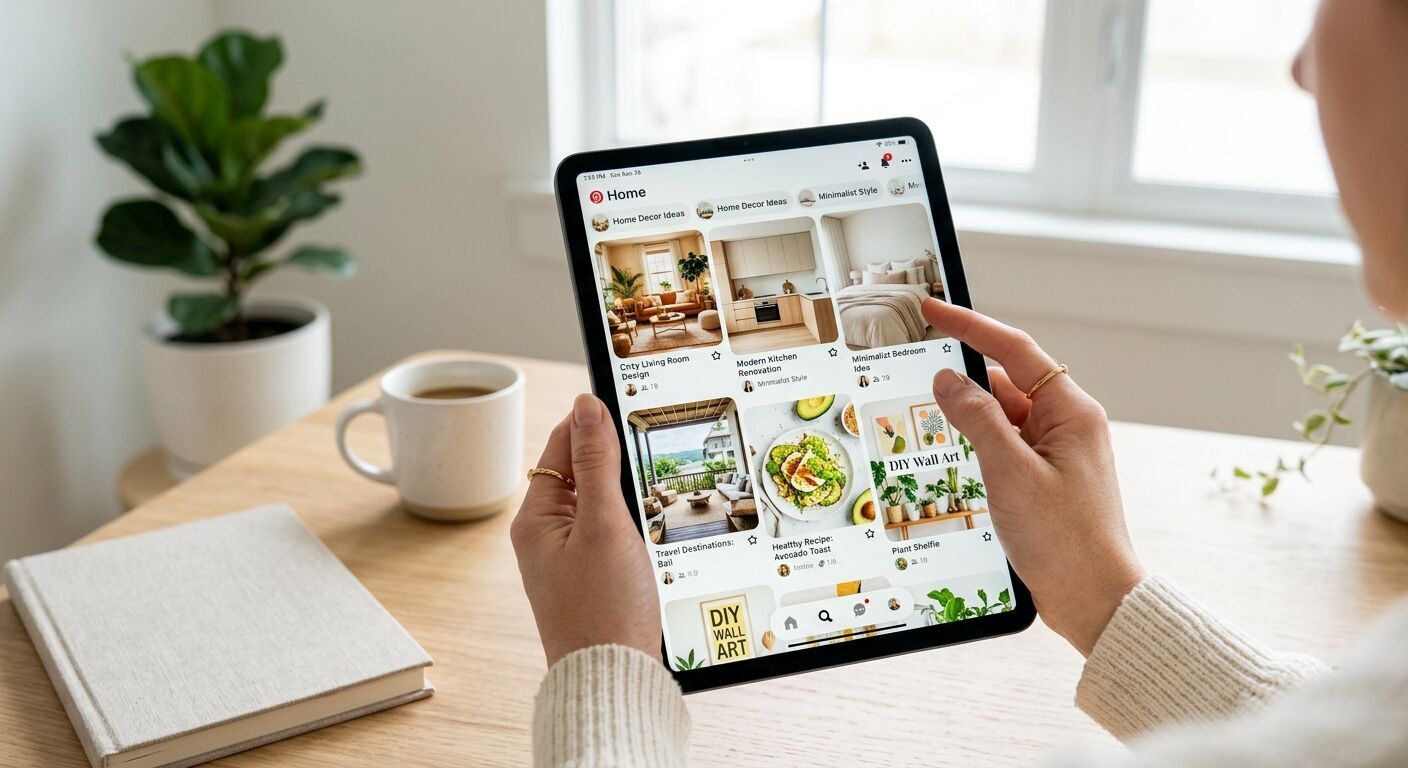
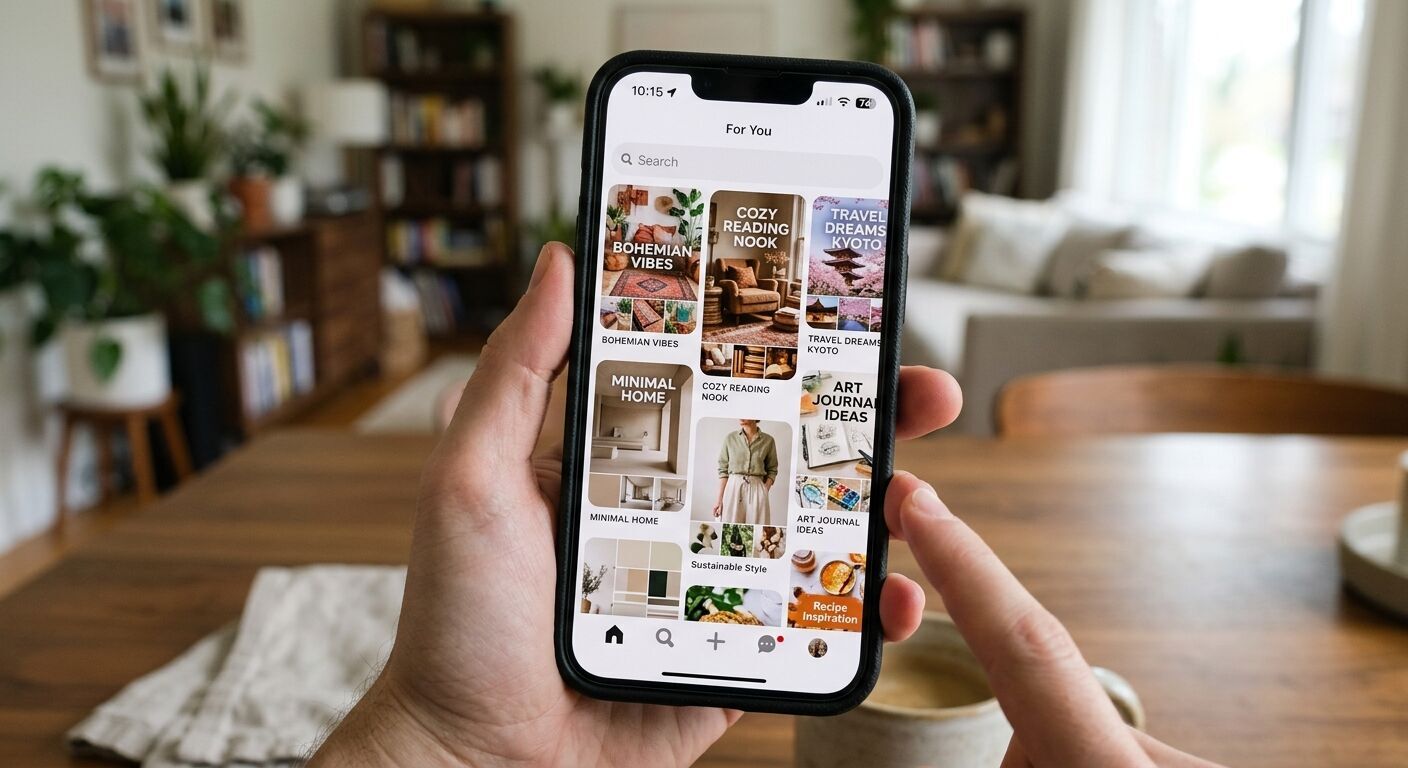
Pinterest's algorithm and user preferences strongly favor vertical images, with recommended aspect ratios like 2:3 (e.g., 1000 x 1500 pixels) or 9:16 (e.g., 1080 x 1920 pixels for full-screen content) taking up more space in the feed and naturally drawing the eye. This optimized sizing ensures your pins are displayed prominently across various devices, particularly on mobile, where the majority of Pinterest users engage with the platform. Neglecting these visual best practices means missing out on crucial visibility.
Beyond technical specifications, focus on creating visuals with a clear focal point and an uncluttered layout. Vibrant, appealing colors can also significantly increase a pin's attractiveness, making it more likely to be noticed and saved. Incorporating readable text overlays directly onto your images is another powerful strategy. This text can quickly convey the pin's topic or value proposition, giving users a reason to click or save without needing to read the description first.
Finally, maintaining consistent branding across all your visuals helps build recognition and trust with your audience. Subtly include your logo or brand name, and use a cohesive color palette and font style that aligns with your overall brand identity. This visual consistency reinforces your brand's presence and makes your content instantly recognizable to your followers.
While visuals are the initial hook on Pinterest, effective SEO (Search Engine Optimization) is what truly ensures your content gets discovered by the right audience. Pinterest operates like a powerful visual search engine, and just like with Google, using relevant keywords in your pin titles and descriptions is absolutely essential for visibility. Without optimized text, even the most beautiful pin might remain unseen by those who would benefit most from it.
Your pin title is a critical piece of real estate, acting as a headline that appears prominently in search results and feeds. It should be concise, descriptive, and immediately convey the value of your pin. Aim to include your primary keyword naturally within the title, ideally towards the beginning. Pinterest recommends titles up to 100 characters, so make every character count!
The pin description offers a greater opportunity to elaborate on your content and incorporate a broader range of relevant keywords. Think of it as a mini-blog post that provides context, explains what users will find if they click, and further clarifies your pin's topic for Pinterest's algorithm. While you have up to 500 characters, the most crucial information and keywords should appear within the first few sentences.
It's vital to write descriptions in natural, conversational language, focusing on providing value rather than simply stuffing them with keywords. Keyword stuffing can be counterproductive, potentially harming your pin's ranking and creating a poor user experience. Instead, weave in related long-tail keywords and phrases that your target audience might use when searching for information or inspiration. A well-written description not only helps with discoverability but also entices users to engage further, leading to more clicks and saves.
4. Leveraging Idea Pins for Dynamic Content
Idea Pins, formerly known as Story Pins, are a dynamic and engaging content format on Pinterest that allow you to share a series of photos, videos, text, and graphics in a multi-slide sequence. Unlike ephemeral stories on other platforms, Idea Pins are evergreen, meaning they remain discoverable on Pinterest long after they are published, continually driving impressions and saves. This makes them an incredibly valuable tool for building audience engagement directly within the platform.
Idea Pins are particularly effective for storytelling and educational content. Think about using them for:
Tutorials and DIY guides
Step-by-step instructions
Recipes broken down into stages
Behind-the-scenes glimpses of your creative process
The multi-slide format allows you to break down complex ideas into easily digestible chunks, keeping users engaged as they tap or swipe through your content. They foster a deeper connection with your audience by providing a more immersive and interactive experience.
While traditional pins are primarily designed to drive traffic to external websites, Idea Pins are more focused on growing your audience and engagement directly within Pinterest. Historically, Idea Pins did not allow direct outbound links, encouraging in-platform consumption. However, Pinterest has been evolving this feature, with linking capabilities being reintroduced in some contexts. Even without direct links, you can still direct users to your Pinterest profile, where your website link is prominently displayed, or mention your website in the pin's notes or text overlays.
When creating Idea Pins, remember the technical specifications: they are typically in a 9:16 aspect ratio (like 1080x1920 pixels) and can include up to 20 pages, with individual video segments limited to 60 seconds. Don't forget to include captions for any video segments, as many users consume content with the sound off. You can also repurpose existing short-form video content from other platforms like Instagram Reels or TikToks into Idea Pins, maximizing your content's reach and efficiency.
In today's fast-paced digital landscape, video content is a powerful engagement driver, and Pinterest is no exception. Video Pins automatically play as users scroll through their feeds, immediately capturing attention and helping your content stand out amidst a sea of static images. This dynamic element can significantly increase your pin's visibility and provide a more immersive way to tell your brand's story or showcase your products.
Video Pins are excellent for demonstrating how a product works, offering quick tutorials or how-to guides, sharing behind-the-scenes glimpses of your business, or presenting testimonials. They allow you to communicate complex ideas more effectively and memorably than a static image, fostering a deeper understanding and connection with your audience. Because Pinterest users are often in a planning mindset, informative and value-driven videos are particularly well-received.
When creating Video Pins, it's crucial to optimize them for Pinterest's platform and user behavior. Prioritize vertical aspect ratios, such as 2:3 or 9:16, as these perform best on mobile devices. While videos can range from 4 seconds to 15 minutes, a sweet spot for engagement often falls between 6 and 15 seconds, so aim for concise and impactful content. The first 2-3 seconds are critical for hooking viewers, so start with an attention-grabbing visual or a bold caption.
Crucially, design your Video Pins to be understood without sound. Many Pinterest users watch videos with the audio off, so clear text overlays, captions, and strong visuals are essential for conveying your message. Always select a compelling cover image for your video pin, as this is what initially appears in feeds and helps users quickly grasp the video's content before it plays. Don't forget to include a clear call-to-action (CTA) within your video or its description to guide users on what to do next.
6. Curating Engaging Boards
Your Pinterest boards are more than just collections of pins; they are organized showcases of your brand's expertise, interests, and offerings, playing a vital role in how users discover and engage with your content. Strategically planning and curating your boards can significantly enhance your profile's discoverability and attract a highly targeted audience. Think of each board as a mini-magazine focused on a specific theme or topic that resonates with your ideal customer.
To maximize engagement, ensure each board has a clear, descriptive theme. Use keyword-rich titles and descriptions for your boards, just as you would for individual pins. This not only helps Pinterest's algorithm understand your content but also makes your boards discoverable through both Pinterest and external search engines like Google. For example, instead of a generic "Recipes" board, consider "Quick Weeknight Dinner Ideas" or "Healthy Meal Prep for Busy Professionals."
A highly engaging board strikes a wonderful balance between showcasing your original content and curating relevant, high-quality pins from other creators. This approach not only provides diverse value to your followers but also positions you as a knowledgeable resource within your niche. By repinning others' content, you also increase your profile's visibility and establish connections with other relevant accounts.
Consider creating a variety of board types, including evergreen topics, seasonal boards, and niche-specific collections. Seasonal boards, for example, can capitalize on trending interests during holidays or specific times of the year. You might also explore collaborative boards, which allow multiple users to contribute pins, further expanding your reach and introducing your content to new audiences. Ultimately, your boards should collectively tell a cohesive story about your brand, inviting users to delve deeper into your content and fostering a sense of community.
7. The Power of Seasonal and Trending Content
Pinterest users are renowned for being proactive planners, often searching for ideas and inspiration weeks or even months in advance of major events, holidays, or seasonal shifts. This forward-thinking mindset presents an incredible opportunity for businesses and influencers to capitalize on seasonal and trending content, ensuring your pins are discovered exactly when users are in their planning mode. Aligning your content calendar with these predictable surges in interest can lead to significant boosts in engagement and traffic.
To effectively leverage seasonal trends, planning ahead is paramount. Aim to publish seasonal content at least 1-3 months before the actual event or season peaks. For instance, if you're promoting holiday gift guides, these pins should be live by early fall to capture the attention of early shoppers. This early publishing strategy gives Pinterest's algorithm ample time to index and categorize your content, making it more likely to appear in relevant search results when demand is high.
Pinterest provides invaluable tools to help you identify what's trending and when. The Pinterest Trends tool allows you to explore popular and emerging topics, see rising search terms, and understand user behavior patterns in real-time. Additionally, Pinterest Predicts, their annual trend report, offers insights into what they anticipate will be popular in the coming year, giving you a head start on content creation.
When creating seasonal content, think broadly about how your niche connects to upcoming moments. This could include holiday recipes, seasonal fashion trends, spring cleaning checklists, summer travel ideas, or back-to-school essentials. Don't be afraid to repurpose older, high-performing seasonal content by giving it a fresh visual update or new keyword optimization. By consistently aligning your content with these powerful planning cycles, you can tap into massive engagement spikes and maintain sustained visibility.
On Pinterest, users aren't just browsing; they're often looking to take action, whether that's saving an idea for later, clicking through to a website, or making a purchase. This high intent makes calls-to-action (CTAs) an incredibly powerful tool for driving engagement and achieving your business goals. A clear and compelling CTA guides your audience on what to do next, eliminating guesswork and encouraging them to move further along their planning or purchasing journey.
It's essential to strategically place your CTAs within your pins. Incorporate them directly into your pin descriptions using action-oriented language. Phrases like "Shop Now for Fall Finds," "Download the Free Guide," "Learn More About This Recipe," or "Save These Spring Décor Tips" are highly effective. The goal is to make the next step as obvious and enticing as possible, tapping into the user's inherent desire to plan and acquire.
Beyond the description, consider adding a CTA as a text overlay directly on your pin image. This ensures that even if a user quickly scrolls past, they still see a prompt for what action to take. The text should be legible, concise, and stand out against your visual. For video pins, integrating a verbal or on-screen CTA towards the beginning or end of the video is crucial, especially since videos are often consumed without sound.
A crucial aspect of effective CTAs on Pinterest is ensuring that the destination link perfectly matches the content of your pin. If your pin promises a "Spring Outfit Guide," the link should take users directly to that guide, not a general blog homepage or a different product page. This seamless experience builds trust and reduces bounce rates, signaling to Pinterest that your content is valuable and relevant. While regular pins are great for driving external traffic, remember that Idea Pins currently prioritize in-platform engagement, so your CTA might direct users to follow your profile or explore more of your boards.
As emphasized throughout, Pinterest is fundamentally a visual search engine, which means that robust Pinterest SEO practices are non-negotiable for maximizing the discoverability and engagement of your content. Unlike social media algorithms that might prioritize recency or follower count, Pinterest's algorithm is designed to connect users with the most relevant ideas based on their search queries and interactions. Understanding and optimizing for Pinterest SEO is key to ensuring your content appears at the top of relevant searches.
Keyword research is the cornerstone of effective Pinterest SEO. You need to understand the exact terms and phrases your target audience uses when searching for ideas related to your niche. Excellent places to start your research include the Pinterest search bar itself, which provides popular auto-suggested keywords as you type, and the Pinterest Trends tool, which shows trending topics and search volumes. Additionally, the Pinterest Ads keyword research tool can provide further insights into high-volume terms.
Once you've identified your target keywords, strategically integrate them across your Pinterest presence. This includes your profile bio, board titles and descriptions, and most importantly, your pin titles and descriptions. Ensure your image file names also include relevant keywords before uploading, and always utilize alt-text for accessibility and additional SEO benefits. The goal is to use natural language, avoiding keyword stuffing, which can actually harm your rankings.
Regarding hashtags, Pinterest's guidance has shifted; while they can still aid in topical discovery for some niche terms or campaigns, they are less critical for ranking than natural-language keywords in titles and descriptions. It's often recommended to use them sparingly, if at all, to maintain clear and readable descriptions, prioritizing comprehensive keyword usage instead. Finally, consider using Rich Pins, which automatically pull extra information from your linked website, providing more context and engagement opportunities directly on the pin.
Creating engaging content is just one part of a successful Pinterest strategy; consistently analyzing its performance is equally important for long-term growth and optimization. Pinterest Analytics, available to all business accounts, provides a wealth of data that can help you understand what's resonating with your audience, what's driving traffic, and where to adjust your efforts. Regular review of these insights allows you to make data-driven decisions that refine and improve your content strategy over time.
Key metrics to track within Pinterest Analytics include:
Impressions: How often your pins are seen.
Saves: How many times users save your pins.
Engagement rate: How often users interact with your pins.
Closeups: When users tap to see a pin in more detail.
Outbound clicks: When users click to your website.
For businesses focused on conversions, tracking metrics like "add to cart" and "checkout" actions is also crucial, especially if you're using Pinterest ads or shoppable pins.
By monitoring your top-performing pins and boards, you can identify patterns in visuals, topics, and formats that consistently drive engagement. For example, if your "DIY Home Decor" board consistently garners high saves and clicks, you know to create more content around that theme. Conversely, if certain content types are underperforming, it signals a need to revise your approach, perhaps by experimenting with different visuals, titles, or keywords.
Pinterest Analytics also offers valuable demographic information about your audience, such as age, gender, and location, allowing you to further tailor your content to their preferences. Consistent pinning is rewarded by Pinterest's algorithm, so use your analytics to inform a regular content schedule, publishing new pins weekly. By continuously analyzing your performance and adapting your strategy, you ensure your Pinterest efforts remain effective, relevant, and aligned with your evolving business goals.
Frequently Asked Questions
What is the ideal pin size for Pinterest?
Pinterest strongly recommends vertical images, with the ideal aspect ratio being 2:3. Common dimensions include 1000 x 1500 pixels. This ratio allows your pins to take up more space in the feed, increasing visibility and engagement.
How often should I post content on Pinterest?
Consistency is key on Pinterest. Rather than aiming for a specific high number, focus on regularly publishing fresh content. A good target is 5-10 new pins per week, which can include variations of existing content. It's better to post a few pins consistently each day or week than to post many at once and then disappear for a long period.
Can I link to my website from Idea Pins?
Historically, Idea Pins did not allow direct outbound links, focusing on in-platform engagement. However, Pinterest has been testing and reintroducing linking capabilities for Idea Pins in some regions and contexts. For now, it's safest to assume the primary goal of Idea Pins is to build audience within Pinterest and drive users to your profile, where your website link is available. You can also mention your website in text overlays or pin notes.
What's the main difference between a regular Pin and an Idea Pin?
A regular Pin typically features a single image or video and is primarily designed to drive traffic to an external website via a clickable link. An Idea Pin, on the other hand, is a multi-slide format that can include photos, videos, and text, designed for storytelling and in-platform engagement. Idea Pins are evergreen and meant to be tapped through, similar to Instagram Stories, but they historically lacked direct outbound links.
Are hashtags still important for Pinterest SEO?
While hashtags were once a prominent feature for discovery, Pinterest's algorithm has evolved to prioritize natural-language keywords in pin titles and descriptions for ranking. Keywords are now more important for SEO. You can still use a few relevant hashtags for niche topics or campaigns, but it's generally recommended to focus on weaving descriptive keywords naturally into your content's text rather than relying heavily on hashtags.
Key Takeaways
Pinterest is a visual search engine where users actively plan and seek inspiration, making it ideal for intent-driven marketing.
High-quality, vertical visuals (2:3 or 9:16 aspect ratio) with clear text overlays are crucial for stopping the scroll and increasing visibility.
Optimizing pin titles and descriptions with natural, keyword-rich language is essential for Pinterest SEO and discoverability, guiding the algorithm and users to your content.
Leverage Idea Pins for dynamic, multi-slide storytelling and educational content, fostering deeper in-platform engagement.
Utilize Video Pins to capture attention with auto-play functionality, prioritizing sound-off viewing with text overlays and compelling cover images.
Curate well-organized, keyword-rich boards that mix your original content with relevant pins from others, showcasing your brand's expertise.
Capitalize on seasonal and trending topics by planning content 1-3 months in advance, using tools like Pinterest Trends and Pinterest Predicts to stay ahead.
Integrate clear and compelling calls-to-action (CTAs) within your pins and descriptions to guide users to the next step, ensuring landing pages match pin content.
Regularly analyze your Pinterest Analytics to understand what content performs best, track key metrics, and refine your strategy for continuous growth.


 Alex Martun